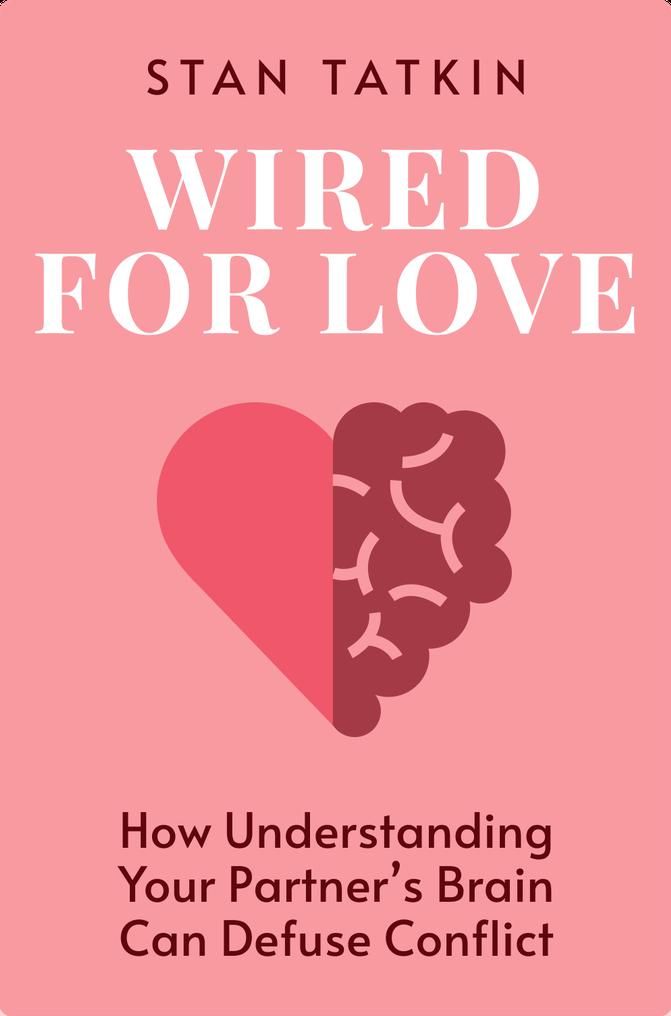
Wired for Love
How Understanding Your Partner's Brain and Attachment Style Can Help You Defuse Conflict and Build a Secure Relationship
by Stan Tatkin
About this book
Wired for Love (2012) is a guide to maintaining closeness and emotional security within romantic partnerships. It uses research from neurobiology and psychology to show why long-term couples come into conflict, and it offers practical tips on how to use knowledge about brain functions to promote peace and mutual security in your relationship.
Chapter Preview
Chapter 1 of 6Experiences in early childhood determine how safe you feel in adult relationships.
When you were little – say, four years old – had you ever told your mom a secret? Something really, really important, something only she was supposed to know? Now imagine if your dad brought up this very secret at dinner. How would you feel? In a word – probably – betrayed.
Now, fast-forward to adulthood. You graduate, get a job, and you’re now in a committed relationship. One day at a party with friends, your partner blurts out something that’s private – something that only concerns you. Suddenly, you feel like you’re back at your childhood dinner table. You’re reliving the same betrayal.
Is your experience psychological? Or physiological? Well, it’s a bit of both. Your early experiences get hardwired into your memory – and, as we’ll see in the following blinks, they affect our sense of security in relationships well into adulthood.
The key message here is: Experiences in early childhood determine how safe you feel in adult relationships.
There’s a field of psychology that studies how infants form attachments to others. It’s called attachment theory, and it was made popular by John Bowlby in 1969. Here’s what it says: ideally, a baby should have a single caregiver who will put the infant-adult relationship above all else. This is known as a primary attachment relationship. The author calls it the baby bubble.
It sets the stage for how we relate to other individuals later in life. If our “baby bubble” feels secure, we will be more confident in forming a similar primary attachment with our romantic partner in adult life.
The author calls this a couple bubble. In it, our sense of security is once again dependent upon a single person.
But there’s a key difference between these two bubbles. The relationship between an infant and her caregiver is one-sided. But in adult life, two partners form a pact to uphold each other’s sense of safety and security.
In a couple bubble, both partners need to feel secure. All the time.
But not everyone had a secure, comfortable childhood. As we’ll see in the following blinks, vulnerabilities developed earlier in life do start to resurface. This can easily put your couple bubble at risk.
The good news is that you can rewire those tendencies – but first, you have to get familiar with your insecurities.
5 More Chapters Available
Sign up for free to read all chapters, chat with the book, get personalized recommendations, and more.
Want to read more?
Join BookPulse to access all chapters, chat with books and authors, get AI-powered recommendations, and discover your next favorite read.