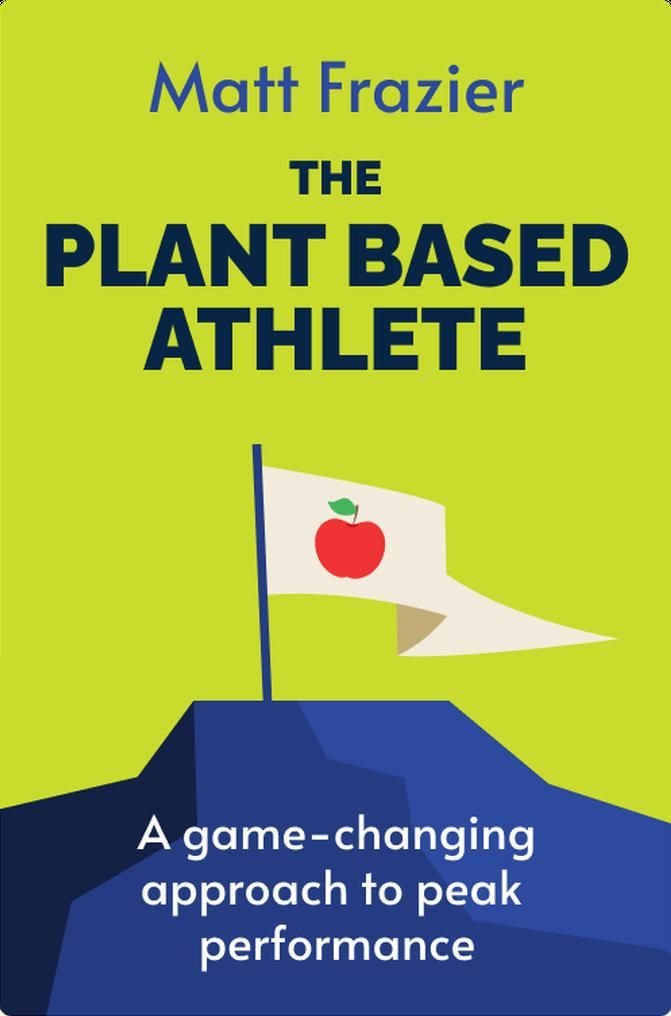
The Plant-Based Athlete
A Game-Changing Approach to Peak Performance
by Matt Frazier and Robert Cheeke
About this book
The Plant-Based Athlete (2021) debunks the myth that our bodies need meat, eggs, and dairy to achieve peak athletic success. Drawing on extensive research and interviews with professional athletes, it shows that a plant-based diet actually results in better performance, recovery time, and overall health.
Chapter Preview
Chapter 1 of 7Plants are nutrient-rich and calorie-poor – so you’ll lose weight while eating more.
“Plant-Based Diets Take Over Sports World.”
“Why NFL Players and Other Athletes Are Going Vegan.”
These recent, real-life headlines clearly demonstrate that the world has taken notice of a secret hiding in plain sight: a plant-based diet will improve your physical performance. Not only that, it’ll ward off injuries and enable you to live longer.
Anyone in any sport can benefit from adopting a meat-free lifestyle. Olympic medalists like swimmer Rebecca Soni and figure skater Meagan Duhamel swear by plants’ performance-boosting benefits. Mike Tyson made an epic boxing comeback at the age of 52; leading a plant-based lifestyle for ten years had replenished his youthful strength and power. And ultrarunning legend Scott Jurek has long espoused the recovery-enhancing power of plants.
Whether you’re an elite champion or a weekend warrior, eating whole-plant foods will level up your athletic prowess and overall health. That’s because at the foundational level, plants boast qualities that make them far superior to animal products.
The key message here is: Plants are nutrient-rich and calorie-poor – so you’ll lose weight while eating more.
Ready for a crash course in the makeup of food?
Macronutrients are the building blocks of nutrition; they’re what provide calories – that is, energy – for your body. The three main macronutrients are proteins, carbohydrates, and fats.
Micronutrients, on the other hand, are the minerals and vitamins that play a crucial role in keeping you healthy. Plants contain an abundance of micronutrients that help your body produce energy, boost your immune system, and repair muscles.
A food’s calorie density reflects how many calories it contains per unit of measurement. On food labels, this is usually listed as calories per gram. Plants like cruciferous veggies, fruits, and grains are high in volume but low in calories, so you’ll feel full sooner compared to calorie-rich, low-volume foods like meat or oil.
Then there’s nutrient density – how many nutrients per calorie a food or beverage contains. Plants have a high nutrient to calorie ratio. Combined with their low-calorie density, this means that you can eat more – and more healthily – and you’ll still lose weight. As an added bonus, shedding extra pounds can often make it easier, and more enjoyable, to exercise.
The goal with all these components is not necessarily to eat certain quantities of each; it’s about achieving a diverse mix. We’ll get into the nitty-gritty of exactly how to do this in the following blinks. First up? Protein.
6 More Chapters Available
Sign up for free to read all chapters, chat with the book, get personalized recommendations, and more.
Want to read more?
Join BookPulse to access all chapters, chat with books and authors, get AI-powered recommendations, and discover your next favorite read.