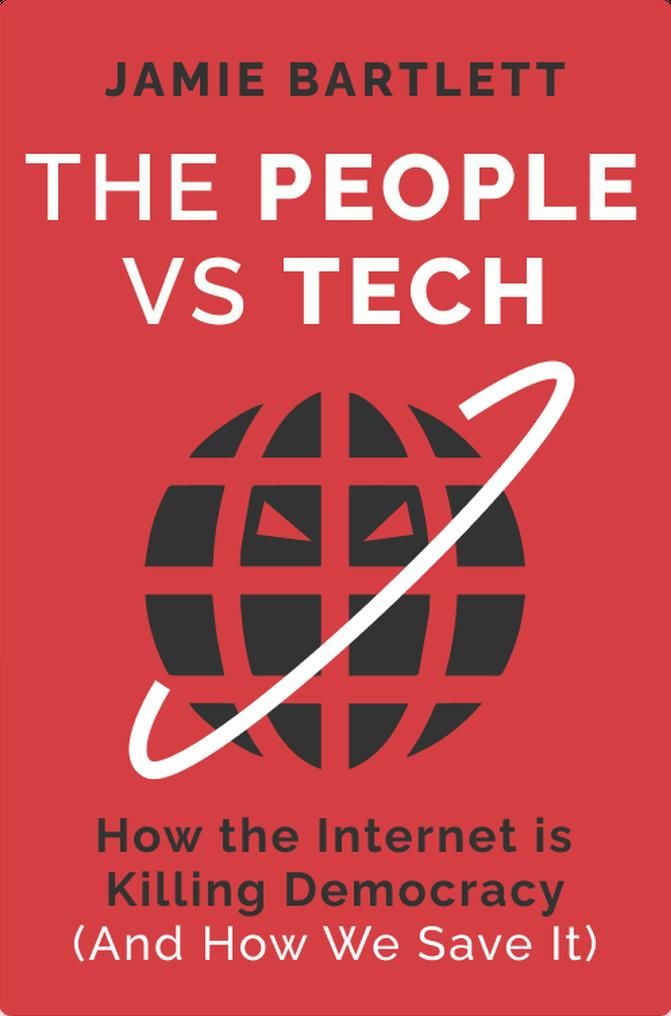
The People Vs Tech
How the Internet is Killing Democracy (And How We Save It)
by Jamie Bartlett
About this book
The People Vs Tech (2018) examines the rise of digital technology. It argues this process is undermining six of the key pillars of democracy: active citizenship, a shared democratic culture, free elections, free association, equality, and governmental authority. Looking to the future and observing how it is already unfolding in the present, it paints a chilling picture of the possible dystopian world to come. However, it also shows the paths that are leading us to that world and suggests that these paths can be redirected, pointing the way to a better future.
Chapter Preview
Chapter 1 of 9Democracy requires active, amicable, equal, and free participation from its citizens.
What would happen if a democracy held a national election and no one bothered to debate the issues, inform themselves about policy proposals, or even vote on the candidates? It would be as if you threw a party and no one showed up: hardly a party – or, in this case, a democracy – at all.
Like a party, democracy requires people’s active participation – and the more active the participation, the more robust the result. With democracy, active participation entails sifting through claims, weighing facts, and making decisions on who or what the best candidate or course of action is. Active citizenship is the first of the six pillars on which democracy rests.
Now, let’s say people show up to your party and are actively participating. So far, so good – but what happens if they start getting rowdy? Well, eventually, the party might turn into a riot.
The same goes for democracy. For it to work, citizens must not only actively participate, but do so in particular ways – two of which are to engage in rational debate and to compromise. This shared democratic culture, which enables people to amicably work through their differences and move forward together, is the second pillar.
Now, let’s say you throw a party and a couple of loudmouthed attendees dominate all of the conversations, undermining other people’s abilities to participate in the process. That won’t work either – everyone needs to be able to participate equally and freely. The same goes for democracy. For it to work, citizens must be on a more or less equal footing, be able to talk to each other, and vote on issues and candidates without interference. These attributes comprise the third, fourth, and fifth pillars: equality, free association, and free elections.
Finally, returning to the party analogy one last time – who’s going to look after the gathering to steer people in the right direction and encourage them to participate actively, amicably, equally, and freely? Well, you – the host. Similarly, the government’s job is to ensure that citizens participate in democracy. And to do this job, the government needs power. That’s the sixth pillar: governmental authority.
Unfortunately, modern technology poses a threat to all six of these pillars of democracy. In the following blinks, we’ll see how it’s doing that. Then, we’ll look at what might happen if these pillars collapse, and how this can be avoided.
8 More Chapters Available
Sign up for free to read all chapters, chat with the book, get personalized recommendations, and more.
Want to read more?
Join BookPulse to access all chapters, chat with books and authors, get AI-powered recommendations, and discover your next favorite read.