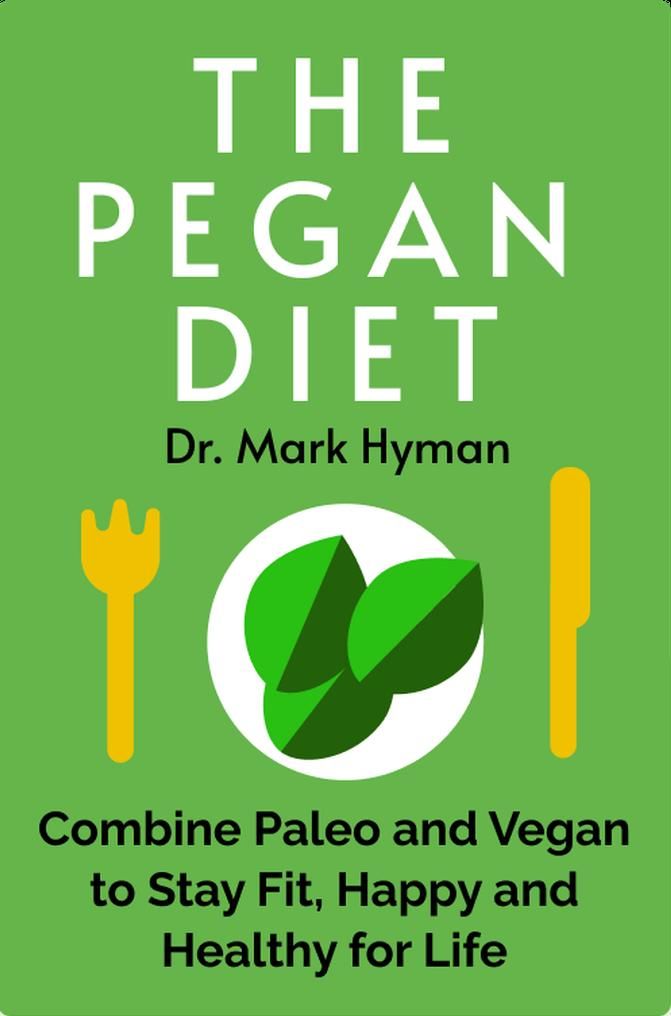
The Pegan Diet
Combine Paleo and Vegan to Stay Fit, Happy and Healthy for Life
by Dr. Mark Hyman
About this book
The Pegan Diet (2021) is a simple, science-driven approach to nutrition that blends the best of two popular diets – veganism and paleo. The result? a way of eating that foregrounds vegetables, avoids refined carbohydrates, and makes judicious use of fats and ethically sourced animal products. The benefits of this diet speak for themselves: lower cholesterol, better gut health, more energy, and greater happiness.
Chapter Preview
Chapter 1 of 8The first principle of a healthy diet is to eat plant foods from every color group.
For all the different diets out there these days, all truly healthy approaches to nutrition have one thing in common – they’re plant-rich. The Pegan diet is no exception.
Note, though, that plant-rich isn’t the same as plant-based.
Peganism isn’t about only eating vegetables, fruits, legumes, and so on. Unlike vegan diets, there’s a place for high-quality animal proteins and fats in Peganism. Despite that, plant foods are the diet’s foundation. Why?
There are two reasons. One, plant foods are nutrient-dense – high in nutrients and low in calories. Secondly, they’re loaded with beneficial chemicals linked to disease prevention. Luckily, these compounds are easy to spot – you just have to look at what you’re eating.
The key message here is: The first principle of a healthy diet is to eat plant foods from every color group.
Every bite of food that comes from a plant – say, a tomato or zucchini – is packed with nutrients. The added bonus? Given their low calorie count, you can eat most plant foods in abundance.
They’re also rich in something else – phytochemicals, a group of around 25,000 chemical compounds produced by plants to ward off diseases, pests, and viruses. Phytochemicals don’t just protect plants, however – there’s lots of evidence that they boost immunity, reduce inflammation, and even decrease the risk of cancer in humans.
But which plant foods should you be eating? A simple rule of thumb is to eat the rainbow. In other words, try to make sure you’re eating vegetables and fruits from every color group every day. Each of these groups is linked to particular health benefits.
Let’s start with red plant foods. Think tomatoes, cherries, and beets. These are rich in compounds with anti-inflammatory and antioxidant properties that help protect your cells. Orange foods like apricots, mangoes, and carrots, meanwhile, contain phytochemicals linked with boosted fertility and better mood control.
Lemons, bananas, and yellow onions are part of the yellow group and contain digestion-promoting phytochemicals like gingerol and lutein. Green plant foods such as broccoli, cabbage, and cucumbers protect blood vessels, which encourages healthy blood circulation. Finally, there are blue plant foods like blackberries, figs, and prunes, which are all great for mood balance and neural health.
Food can be a kind of medicine, and vegetables and fruits are your pharmacy. Follow the rainbow and you’ll be giving your body all the nutrients it needs.
7 More Chapters Available
Sign up for free to read all chapters, chat with the book, get personalized recommendations, and more.
Want to read more?
Join BookPulse to access all chapters, chat with books and authors, get AI-powered recommendations, and discover your next favorite read.