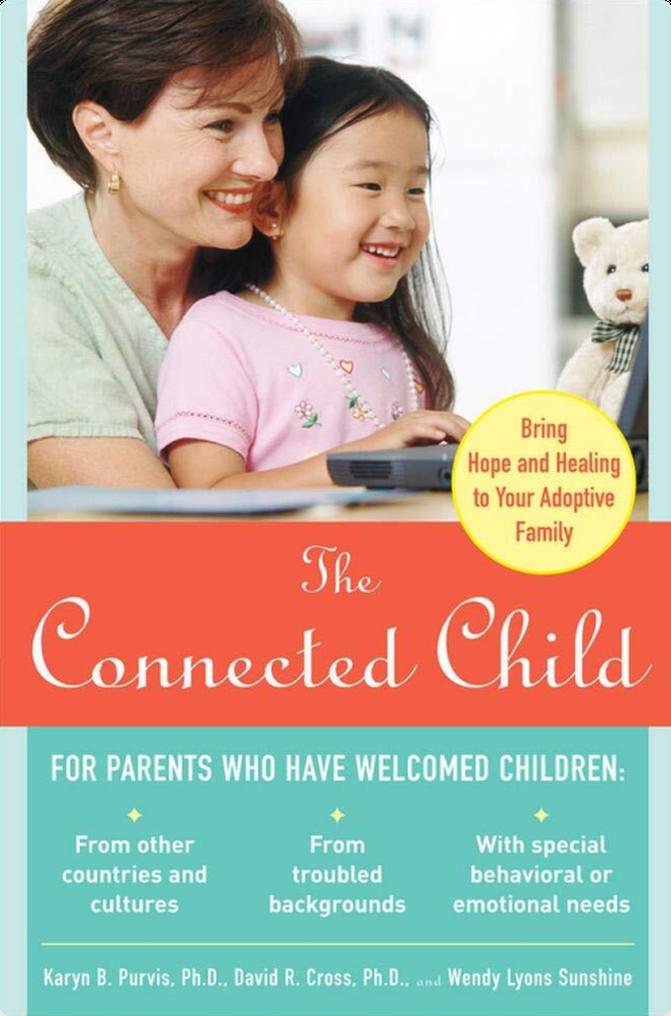
The Connected Child
Bring Hope and Healing to Your Adoptive Family
by Karyn B. Purvis
About this book
The Connected Child (2007) is an insightful guide for parents of adopted and foster children. Children from deprived or abusive backgrounds have unique needs. By taking a multipronged approach including behavioral interventions, good diet and exercise, and lots of nurturing, parents can play a vital role in helping their children heal.
Chapter Preview
Chapter 1 of 9We need to understand the histories of at-risk kids to give them the support they need.
Consider Louise, a baby who is born into a loving, stable home. Louise has her needs met even before she’s born. Her mother eats nutritious foods and goes to doctor’s appointments; the family prepares as best they can for her arrival.
Once she’s born, she’s held and fed. Louise learns that people will always respond to her cries. By listening to her parents’ voices, she starts to develop language skills; by scanning the room, her visual literacy increases. Every time her small body is touched and held, it releases serotonin, which helps her brain grow.
Contrast her experience with that of a baby like Donnie, who is put in an orphanage as an infant. Donnie lies in his crib for hours, staring at the ceiling. He gets used to wearing soiled diapers and experiencing prolonged hunger. He is hardly touched or interacted with by the overworked attendants.
The key message here is: We need to understand the histories of at-risk kids to give them the support they need.
Donnie’s background left him with a yawning gap in his development, which is the case for many adopted and fostered children. Adoptive parents need to understand the specific deprivations their children have experienced in order to understand their behavior and be able to provide adequate support.
The nine months in utero and first years of life are an essential time for a child’s development. Infants whose mothers were chronically stressed, anxious, or depressed during pregnancy show abnormal brain chemistry. If their mothers abused drugs or alcohol during pregnancy, this also has profound effects on the functioning of their central nervous systems.
Children who grow up with absent or abusive parents often have difficulty forming attachments. They find it hard to trust; they’ve learned they can’t count on anybody to help them. If, like Donnie, they’re deprived of touch and interaction as a baby, they’ll have a much harder time bonding with others as adults. A lack of physical and verbal interaction also affects their brain development, as well as their ability to process what they see, feel, or hear.
Raising an adopted or foster child means reckoning with their specific past experiences. Even if children appear “normal,” they’re often carrying around the invisible scars of neglect or abuse. Once you understand what they’ve been through, you’ll be better able to provide support to help them heal and grow.
8 More Chapters Available
Sign up for free to read all chapters, chat with the book, get personalized recommendations, and more.
Want to read more?
Join BookPulse to access all chapters, chat with books and authors, get AI-powered recommendations, and discover your next favorite read.