About this book
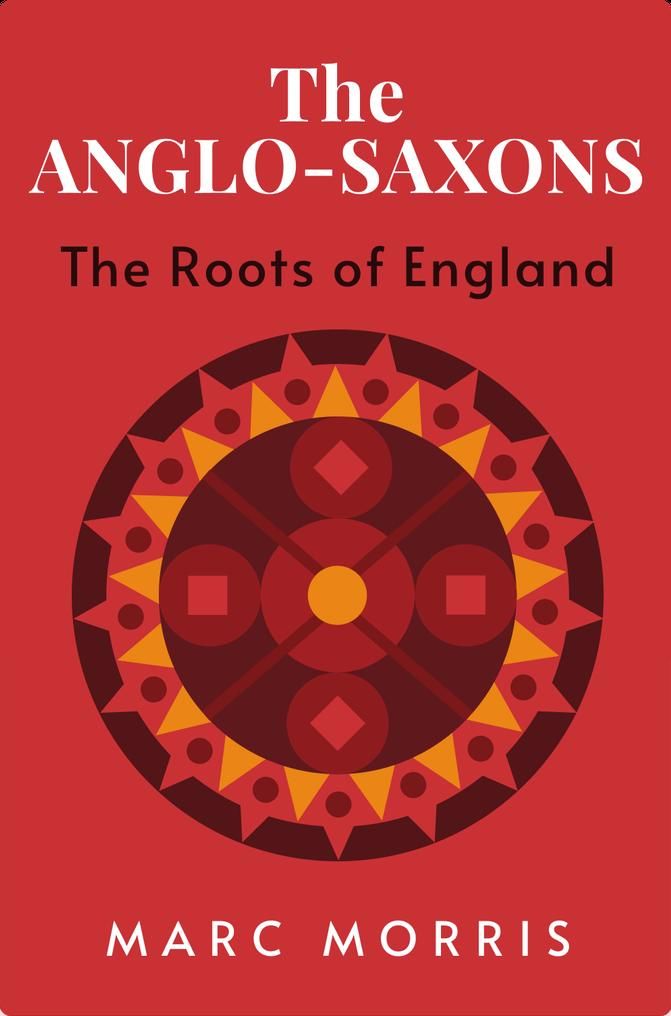
The Anglo-Saxons (2021) is a history of the Germanic warriors and settlers whose arrival in Britain in the sixth century changed the course of the island’s history. Beginning with the collapse of Roman rule, it charts the rise of Anglo-Saxon kingdoms, their conversion to Christianity, and the gradual unification of the country that became known as England. Along the way, it sheds light on the development of England’s language, culture, cities, and political and religious institutions.
Chapter Preview
Chapter 1 of 14What’s in it for you? Learn how the Anglo-Saxons made England.
Look at a map of Europe in 400 AD and you won’t find a country called England. Nor will you find anything recognizably English in the territory that was later given that name.
The laws are Roman and the locals speak a mix of Celtic languages and Latin. Urban settlements don’t have winding lanes and thoroughfares, but rigid grids. The English language doesn’t exist.
Fast-forward to 1066, the year of the Norman Conquest, and you’ll find all the familiar markers of England. The countryside is divided into shires, sheriffs keep the peace, and the locals speak a tongue that’s more or less comprehensible even to us.
What changed? The short answer is that the Anglo-Saxons who settled on this island after the year 400 made England. How? That’s what we’ll be looking at in these blinks.
Along the way, you’ll learn
- how the Romans lost control of Britain;
- where the Anglo-Saxons came from; and
- how the foundations of modern English culture were laid.
13 More Chapters Available
Sign up for free to read all chapters, chat with the book, get personalized recommendations, and more.
Want to read more?
Join BookPulse to access all chapters, chat with books and authors, get AI-powered recommendations, and discover your next favorite read.