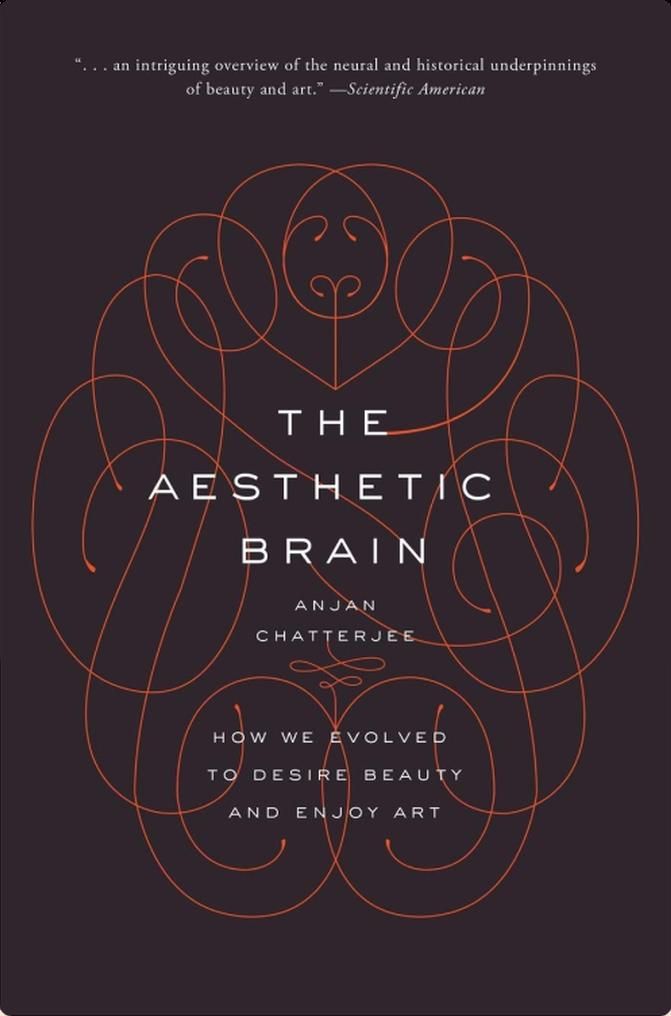
The Aesthetic Brain
How We Evolved to Desire Beauty and Enjoy Art
by Anjan Chatterjee
About this book
The Aesthetic Brain (2014) explains how and why the human brain responds to beauty and art. These blinks break down the reasons why we instinctively prefer some faces to others, what art does to our brains and how we started making art in the first place.
Chapter Preview
Chapter 1 of 8There are universal principles that make a face appear beautiful.
What do Winona Ryder’s face and the African savannah have in common? They’re both beautiful! But what is it exactly that makes them so?
Well, the human brain is wired to respond automatically to beautiful faces and bodies, sometimes without us even being aware of it. In fact, studies have found that it’s nearly impossible to look at a face without considering its attractiveness.
In one experiment, people compared two computer-generated faces. They were asked to judge how similar they were to one another. Even though participants were not asked to judge the beauty of either face, their visual cortices showed increased activity when presented with an attractive person; in other words, their brains were unconsciously and automatically reacting to pretty faces.
This instant appraisal also leads us to have higher opinions of good-looking people, including those we hardly know. Studies have even shown that attractive people receive higher grades, land better jobs and have better salaries.
But the question still remains as to why exactly we find certain people beautiful. To answer this fundamental question, scientists have devised three basic parameters that constitute an attractive face: averageness, symmetry and sexual dimorphism, that is, physical features that distinguish one gender from another.
The first characteristic refers to the tendency for humans to find statistically average facial features more appealing than atypical ones. This means that we usually prefer medium-sized noses to big or very small ones, and eyes that are neither too close together nor too far apart.
The second aspect, symmetry, has been found to be essential to our appraisal of beauty, since facial symmetry is considered an indicator of good health and a robust immune system. As we’ll see in the next blink, both of these features are also aesthetically appealing.
Finally, the importance of sexual dimorphism means that people who have typically male or female features are considered more attractive. For example, a large chin is often considered a typically manly feature; just think of Brad Pitt’s chiseled chin and try to say he’s not an attractive man!
It’s thus clear that our brains seek out and admire beauty – but what exactly is beauty, and how can it be defined? Let’s take a closer look in the next blink.
7 More Chapters Available
Sign up for free to read all chapters, chat with the book, get personalized recommendations, and more.
Want to read more?
Join BookPulse to access all chapters, chat with books and authors, get AI-powered recommendations, and discover your next favorite read.