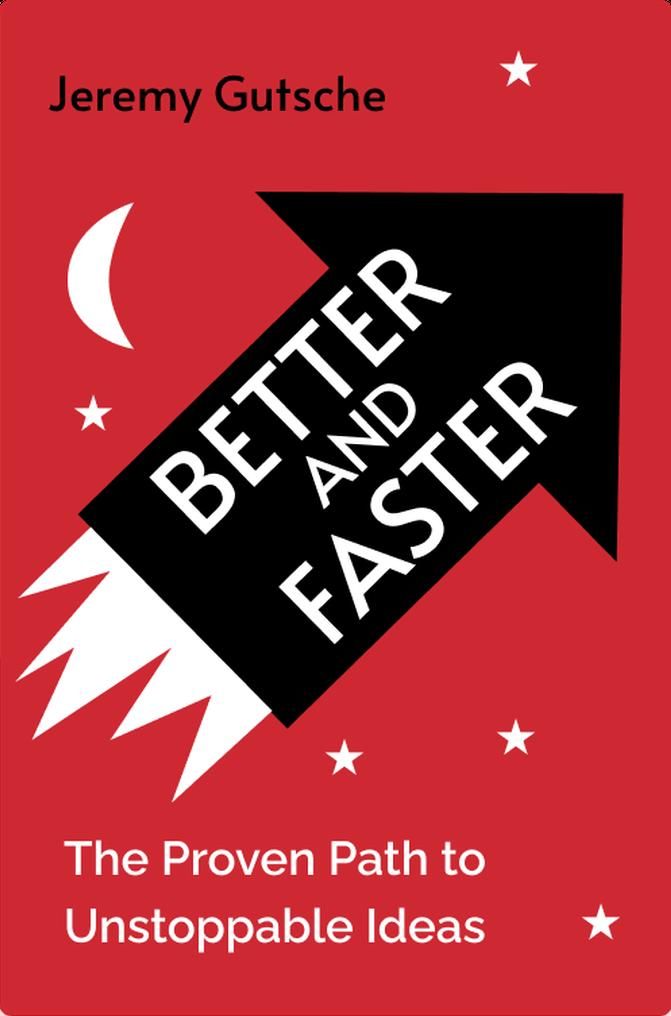
Better and Faster
The Proven Path to Unstoppable Ideas
by Jeremy Gutsche
About this book
Better and Faster (2015) outlines a specific set of tools and guidelines readers can use to outmaneuver their competition and attain success in the chaotic and unpredictable modern marketplace. Using countless real-life examples – both cautionary tales and inspiring success stories – Jeremy Gutsche lays out a path for finding opportunities and developing successful business ideas.
Chapter Preview
Chapter 1 of 6Three “Farmer Traps” – complacency, repetition and overprotectiveness – stand in the way of success.
Every business leader thinks they have what it takes to succeed. They’re smart enough to know what needs to be done and tenacious enough to overcome any obstacle that stands in their way.
Nonetheless, failure in business is as common as dirt. And that’s because the people at the top – especially those in fast-changing industries – frequently fall into one of the three so-called farmer traps.
Farmer trap #1 refers to complacency, which develops when people rest on the laurels earned from past successes.
As an example, look at typewriter manufacturer Smith Corona, a former industry giant who became complacent and failed to adapt to the changing marketplace. In 1990, the company pulled out of a joint venture with computer giant Acer, because they believed their business was too strong to be vulnerable to market change. Three years later, Smith Corona declared bankruptcy; they’d been crushed by the emerging computer sector.
Similarly, farmer trap #2 occurs when you repeat actions that brought success in the past and expect the same outcome in the present.
Blockbuster Video is the perfect example of a business that crumbled because it fell into the Farmer Trap of repetition: in 2009, the franchise boasted 9,000 locations and 60,000 employees. But just a year later, Blockbuster declared bankruptcy: the company had failed to adapt to the streaming market, continuing to direct almost all their resources into franchising and physical media.
Finally, farmer trap #3 describes a state of protectiveness. This occurs when companies set up barriers that protect the status quo and inhibit evolution.
For instance, film manufacturer Kodak missed some wonderful opportunities because they were overly protective of their elite status in the analog film market. But that was a big mistake: the company’s unwillingness to invest resources into digital innovation led them to declare bankruptcy in 2012.
5 More Chapters Available
Sign up for free to read all chapters, chat with the book, get personalized recommendations, and more.
Want to read more?
Join BookPulse to access all chapters, chat with books and authors, get AI-powered recommendations, and discover your next favorite read.