About this book
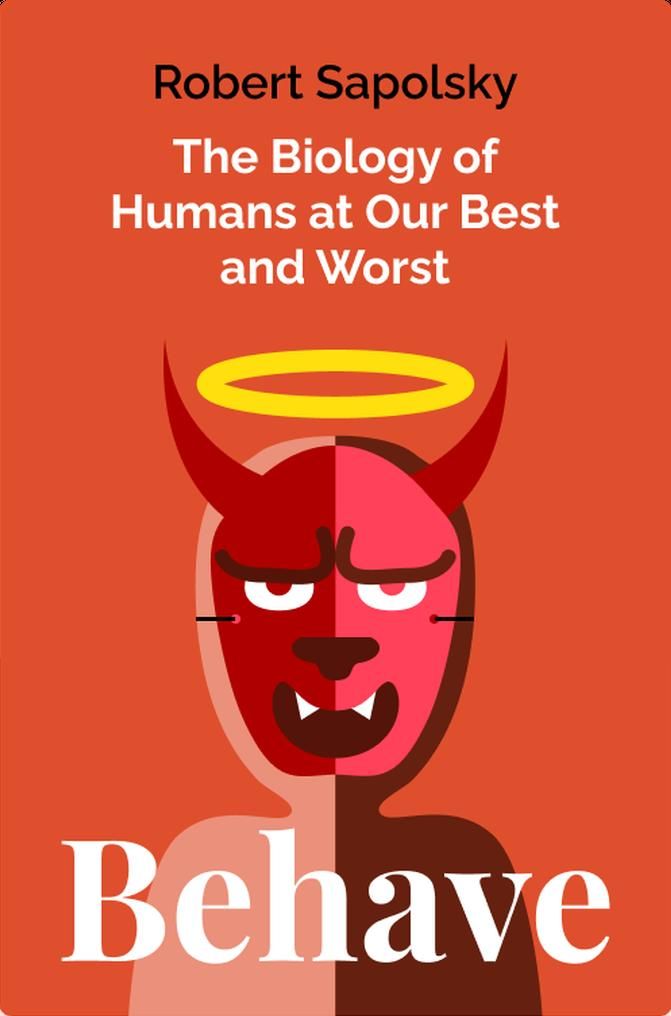
Humans are complex beings, and human behavior doubly so. Every human act is a result of a myriad of factors, from brain chemistry to social conditioning, that have developed over millennia. In Behave (2017), renowned professor Robert Sapolsky takes a journey into the depths of the human condition, demonstrating the reasons behind the best – and worst – of human behavior.
Chapter Preview
Chapter 1 of 9To understand human behavior, we must delve into the biology of the brain, culture and history.
The saying goes that everything happens for a reason, and whether or not you believe this to be the case when it comes to the events that unfold in a lifetime, it’s certainly a valid statement when it comes to grasping human behavior.
If we really want to get to grips with the factors that influence humanity's best and worst behaviors, we're going to have to delve deeply into human biology.
Immediately before a given behavior occurs – such as the shooting of a gun – the oldest parts of the human brain kick into gear. We inherited these regions of the brain from our evolutionary ancestors, and these very regions are the ones that process our most basic instincts, like the fear of death. This is just the sort of emotional impulse that might lead a person to pull a trigger.
But, in the seconds to minutes before the fatal moment occurs, the brain has been busy processing sensory data – particularly visual or auditory information – based on its immediate environment. This information from the senses impacts on how we act. In a war zone, for example, heightened sensory awareness of danger makes it much more likely that we'll act aggressively.
However, the brain’s response isn’t randomly generated. In fact, our behavioral biology is deeply intertwined with human society, culture and history.
Years to decades before a behavior takes place, we’ll have grown up in human societies that determine our behavior. Different societies will condition us to behave in different ways; in other words, we are more prone to violence if we were exposed and accustomed to constant violence earlier in our lives.
And if we go back hundreds to thousands of years, we’d find ancestral geographies and ecologies have affected human behavior, for better and for worse.
In short, if we’re going to get to the crux of the matter, we’re going to have to take an interdisciplinary approach to explain the complex origins of human behavior.
8 More Chapters Available
Sign up for free to read all chapters, chat with the book, get personalized recommendations, and more.
Want to read more?
Join BookPulse to access all chapters, chat with books and authors, get AI-powered recommendations, and discover your next favorite read.